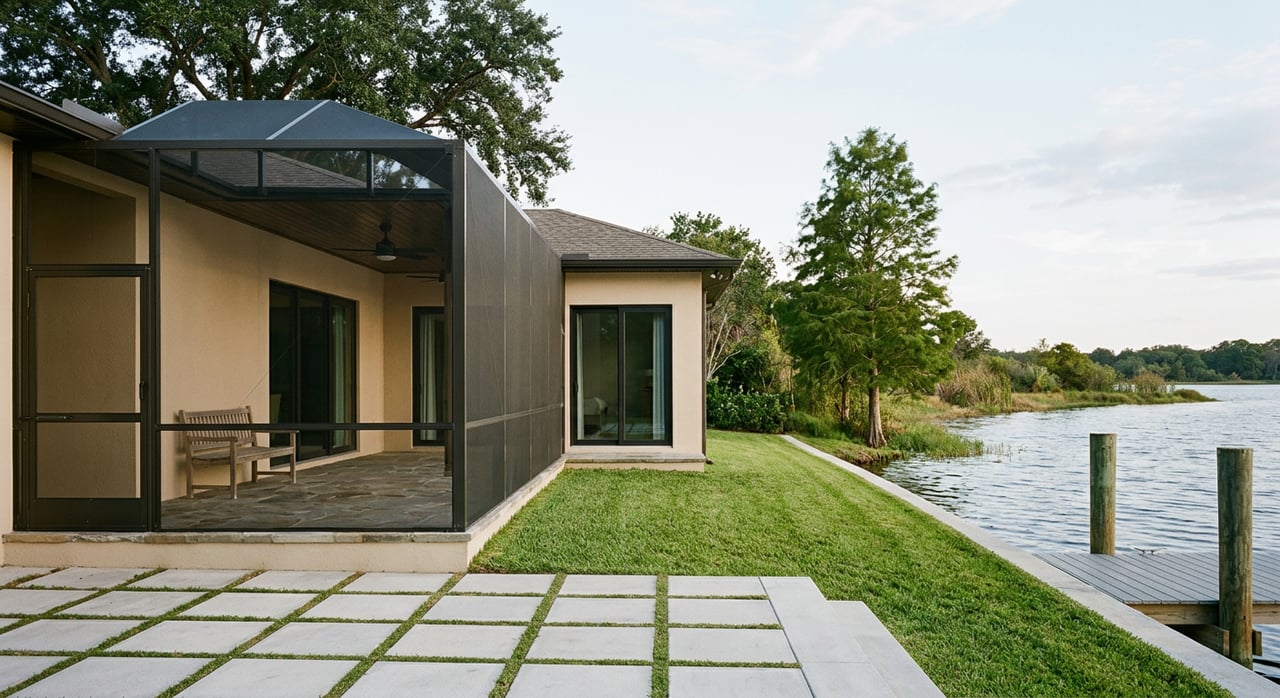
Picture yourself sipping coffee as the sun lifts over glassy water, a heron glides by, and your boat waits at the dock. That vision is real in Polk County, but lakefront living here is not one-size-fits-all. You want the fun and the views, and you also want the facts about access, permits, maintenance, insurance, and price. This guide breaks down what “lakefront” really means in Polk, so you can plan with confidence. Let’s dive in.
What “lakefront” means in Polk County
Polk County is a true freshwater playground. The area is often described as having more than 500 lakes, and Winter Haven showcases two connected “Chain of Lakes” that draw boaters, anglers, and sunset chasers. You can explore the community’s lakeside lifestyle through the local chamber’s overview of the chains and amenities for context on how connected and active these waters can be. Winter Haven’s chamber explains the Chain of Lakes lifestyle.
Not all shorelines look the same. You will find:
- Urban, canal-linked chain lakes that offer miles of navigable water and quick access to ramps.
- Deeper ridge lakes near Lake Wales that feel more private and scenic.
- Quiet, vegetated neighborhood ponds where you might value birdwatching over boating.
This range means your day-to-day experience depends on which lake you choose. Know your priorities first, then match them to the right shoreline.
Recreation and access: boats, ramps, and rules
Boating is a top reason people buy on the water here. The Winter Haven Chain offers navigable links, public ramps, and, in some segments, locks. If you plan to ski, wakeboard, or fish multiple lakes, review the system map and local guidance before you buy. Start with the state’s resource on ramps, connections, and fishing conditions for the area. See the FWC’s Winter Haven Chain of Lakes page.
Every lake has rules. Florida’s boating regulations cover idle and no‑wake zones, personal watercraft rules, safety equipment, and boater education. Some cities and HOAs also post local speed or no‑wake areas. Before closing, ask the seller or HOA about any posted restrictions, then confirm the state’s current requirements. Review Florida’s boating regulations from FWC.
Pro tip: If you plan to keep a larger boat, verify canal width and depth to open water on the specific property. Shallow or narrow connections can limit what you can run from your dock.
Neighborhood styles on the water
- Winter Haven: You will see mid‑century lake cottages, renovated classics, and custom estates on chain-connected lakes. Many lots include private docks, boathouses, or lifts.
- Lakeland: Around prominent city lakes, you will find an appealing mix of older bungalows, Mediterranean Revival homes, and mid‑century houses, with walkable lakefront promenades and parks.
- Lake Wales and East Polk: Expect more rural or ridge-top settings with larger lots and bigger sky-water views. Buyers seeking acreage or a quieter pace often focus here.
Architectural style and lot size often track with the lake’s setting. Decide whether you want an in-town lifestyle with short drives to dining and events, or a retreat feel with more privacy and space.
Permits and shoreline projects
Docks, boat lifts, seawalls, and dredging are not just contractor calls. In Florida, these projects typically require state or water management district review through Environmental Resource Permits. If a proposed dock extends over state-owned submerged lands, you may also need a lease or consent from the state. Always ask for copies of previous permits and approvals during your inspection window. Learn more in the state’s guidance on shoreline work and permit records from the Florida Department of Environmental Protection.
Florida recognizes riparian rights, but those rights exist alongside protections for sovereign submerged lands. You will want to confirm the property’s recorded riparian boundary on the survey, check that existing docks or seawalls are within bounds, and verify there are no neighbor encroachments. Review the statutes on sovereign submerged lands and riparian issues via the Florida Senate’s Chapter 258 page.
Bottom line: Get permit history, survey, and title work early. Shoreline projects are doable when properly permitted, but approvals are site specific and timelines vary.
Ongoing maintenance and costs
Waterfront living includes upkeep. Plan and budget for these common items:
- Seawalls and bulkheads: Older walls should be inspected every few years. Replacement or heavy repair can run roughly 150 to 600-plus dollars per linear foot, depending on material, water depth, access, and complexity. Get local contractor bids for a realistic number. See example cost ranges and variables discussed in this seawall cost overview.
- Docks and lifts: Basic private docks can start in the five figures, and custom pile‑driven builds with composite decking and integrated lifts rise quickly. Factor in permit fees, pilings, and lead time for materials.
- Vegetation and erosion: Shoreline plants shift with wind, waves, and seasonal changes. Invasive species like hydrilla can appear in cycles, and local projects may address habitat or water quality. Ask for any herbicide or lake‑management records tied to the property.
A smart approach is to gather prior invoices from the seller and have a dock or seawall contractor walk the site during inspections. A half hour on the shoreline with a pro can prevent surprises later.
Utilities: sewer, septic, and water
Utility setup varies by location. In the city limits of Winter Haven and Lakeland, many lakefront homes connect to public water and sewer. In more rural areas near lakes like Kissimmee or Rosalie, well and septic are more common. Polk County is also planning septic‑to‑sewer conversions in select impaired lake basins, which can affect long‑term upkeep, permitting, and value. Confirm service type and any planned projects with Polk County Utilities.
Flood risk and insurance basics
Flood requirements and premiums are property specific. Polk County participates in FEMA’s Community Rating System, and the county reports a Class 6 that delivers about a 20 percent National Flood Insurance Program premium reduction for policies in Special Flood Hazard Areas. You can find local flood guidance and map support through Polk County Floodplain Management.
Before you buy, check the most current FEMA Flood Insurance Rate Map panel for the address and verify the Base Flood Elevation. Your lender and insurer rely on the effective map. Use the FEMA Flood Map Service Center to review the panel and ask whether an elevation certificate exists for the structure.
Florida’s property insurance market has been volatile in recent years, but state regulators have reported signs of improvement and company filings that point to reductions in the 2025 to 2026 period. It still pays to shop policies and get live quotes early for homeowners, wind or hurricane coverage, and flood. For market context, see updates from the Florida Office of Insurance Regulation.
Wildlife: living safely with nature
Alligators and other wildlife are part of Florida lake life. Most residents find that a few basic habits make it manageable. Do not feed wildlife. Keep pets and children away from the water’s edge. If you ever encounter a nuisance animal, report it to state wildlife authorities for guidance and, if needed, removal. Build these practices into your daily routine and enjoy the setting with confidence.
What you can expect to pay
Price ranges on Polk County lakefronts are wide. On the Winter Haven Chain of Lakes, you will find everything from smaller canal-front cottages to renovated mid‑century homes and larger custom estates. Entry options for simple lots or smaller cottages can list well under 400 thousand dollars, while larger or newly improved lakefronts can move into the higher brackets. Private, multi‑acre waterfront estates or trophy properties often list above 750 thousand to 1 million dollars.
Averages can be misleading because a few luxury listings can skew the data. Your best move is to compare recent sales on the exact lake or canal you want. Ask for a tailored MLS analysis that considers frontage length, water depth and boat access, lot size, and in‑town versus rural setting.
Your Polk lakefront due‑diligence checklist
Use this list to move from dream to done:
Survey and boundaries
- Confirm the riparian boundary and meander line on a current survey.
- Check for encroachments and verify that any dock or seawall sits within bounds and was permitted. See state statutes on submerged lands via the Florida Senate’s Chapter 258 page.
Permits and shoreline work
- Request copies of all dock, lift, seawall, and dredging permits, plus contractor invoices.
- If you plan changes, ask a contractor to assess feasibility, permits, timeline, and cost. Review guidance and records via FDEP’s Environmental Resource Permit page.
Elevation and flood
- Ask if an elevation certificate exists. If not, confirm whether one is needed.
- Check the effective FEMA FIRM panel and the property’s Base Flood Elevation using the FEMA Flood Map Service Center. For local help and CRS discounts, see Polk County Floodplain Management.
Boating and access
- Verify canal width and depth to open water for your boat type.
- Ask about posted no‑wake areas and horsepower limits. Review Florida boating regulations and the FWC Chain of Lakes resource.
Utilities and insurance
- Confirm public sewer versus septic and the water source with Polk County Utilities. Ask about any septic‑to‑sewer plans.
- Get live quotes for homeowners, wind or hurricane coverage, and flood. For statewide market context, watch updates from the Florida Office of Insurance Regulation.
Maintenance history and budgeting
- Request service records for seawalls, docks, and lifts, plus any aquatic plant management.
- Budget for future shoreline work. For example, seawall projects can range widely by site and materials. See a general seawall cost overview and get local bids.
Your next steps
If you love the idea of floating from brunch to sunset without leaving your neighborhood, Polk County can deliver. The key is matching your lifestyle to the right lake, then confirming access, permits, flood and insurance, utilities, and ongoing costs before you commit. A lake-by-lake MLS analysis and a focused inspection plan will help you buy with clarity and enjoy the water from day one.
When you are ready, let a local advisor help you compare lakes, preview canal depths, and tee up contractors and insurers during your due diligence. For tailored comps, lake tours, and a smooth path from search to closing, reach out to Orlando A to Z. We help you move from dream to dock with confidence.
FAQs
What counts as true lakefront in Polk County?
- It ranges from canal-connected chain lakes with navigable access to quiet neighborhood ponds and deeper ridge lakes. Your daily experience depends on the specific shoreline, access, and lot.
Are docks and boat lifts easy to add on Polk lakes?
- Many are feasible, but most projects need permits and sometimes multiple agency reviews. Ask for existing permits, then have a contractor assess feasibility, timeline, and costs before you buy.
Do I need flood insurance for a Polk County lake house?
- If a lender sees the home in a Special Flood Hazard Area, flood insurance is typically required. Check the FEMA map panel and Base Flood Elevation, and ask about Polk’s CRS discount.
How much does seawall work cost on Polk lakes?
- Costs vary by site, materials, and access. Heavy repair or replacement can run in the hundreds of dollars per linear foot. Get local bids and plan inspections for older walls.
Is boating allowed on all Winter Haven Chain lakes?
- Boating is common, but rules differ by lake, with no‑wake or restricted zones in some areas. Confirm local markers and review state regulations before assuming open-water speeds.
Will I see alligators near my lakefront yard?
- Alligators live in many Florida lakes. Most residents coexist safely by not feeding wildlife and keeping pets and children away from the water’s edge. Report any nuisance animals to state authorities.
