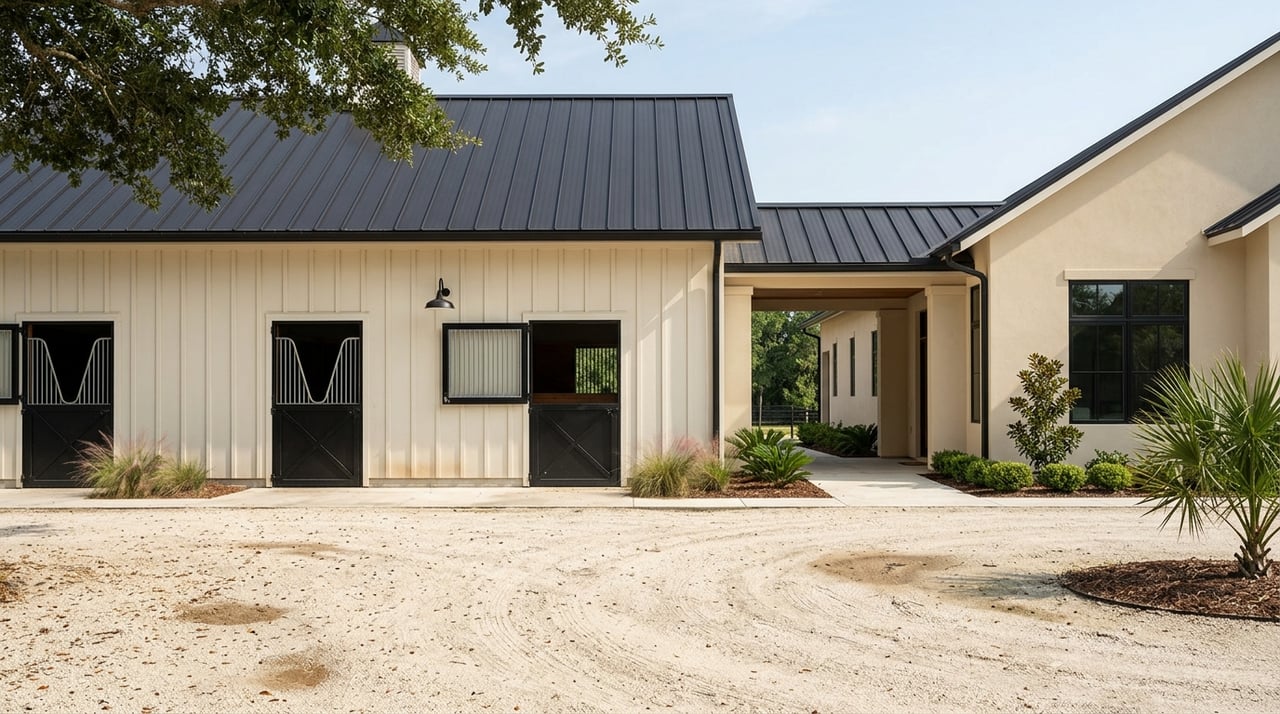
If you want room for horses without giving up access to shows, trails, and daily conveniences, Ocala stands out for a reason. This part of Marion County is not just horse-themed marketing. It is a real equestrian hub with major venues, a deep farm network, and the land base that makes horse ownership possible. In this guide, you’ll get a practical look at horse-country living, what to look for in equestrian homes, and how to evaluate whether a property truly fits your goals. Let’s dive in.
Why Ocala draws horse buyers
Ocala and Marion County are officially known as the Horse Capital of the World®, and local county resources say the area has more horses than any other county in the country. According to Marion County’s horse-industry overview, the metro is home to about 75,000 horses and ponies, with the equine industry contributing $4.3 billion in total impact and supporting more than 28,000 jobs.
That scale matters when you are buying a home. It means horse ownership here is supported by a real local ecosystem, not just a handful of large farms. Ocala/Marion County tourism notes that more than 700 horse farms are spread across the county, from small two-acre properties to large farms spanning thousands of acres.
For buyers, that creates a broad range of options. You can find anything from a home with usable horse space to a property better suited for a full equestrian operation. The key is knowing how to separate a scenic rural listing from a property that will actually work day to day.
What horse-country living looks like
Living in Ocala horse country often means more land, more privacy, and more day-to-day involvement with your property. Even if you are not running a farm, you may be managing fencing, pasture rotation, feed storage, water access, and trailer movement as part of normal life.
The area’s horse culture is active throughout the year, but the busiest season is typically from mid-December to late March, according to Ocala/Marion County’s horse show calendar. At the same time, the World Equestrian Center hosts events year-round, so the equestrian presence stays visible in every season.
That year-round activity can be a real benefit if you want to compete, train, ride recreationally, or simply live in a place where horses are part of the local identity. It also means demand for well-located equestrian property can be driven by more than just seasonal buyers.
How much land you may need
One of the biggest questions buyers ask is simple: how much acreage is enough? The answer depends on how many horses you have, the quality of the forage, and how well the land is managed.
A UF/IFAS Marion County article uses about 2 acres per horse as a practical rule of thumb. Broader UF/IFAS forage guidance says a mature horse on average bahiagrass may need about 2 to 2.5 acres, while more productive bermudagrass or winter-forage setups may need closer to 1 to 1.5 acres.
The important takeaway is that raw acreage does not tell the whole story. A smaller property with productive pasture and smart layout may function better than a larger parcel with poor drainage or weak forage. When you tour homes, it helps to look beyond the headline lot size and focus on how usable the land really is.
Features that make an equestrian home functional
Not every home with acreage is horse-ready. A workable equestrian property usually needs the right combination of layout, access, and support space.
Based on UF/IFAS rotational grazing guidance, some of the most useful features include:
- Multiple paddocks
- Cross-fencing for better pasture management
- Safe gate access
- A sacrifice lot or dry lot
- Reliable feed and water access
- Space for equipment movement
That sacrifice lot matters more than many buyers expect. UF/IFAS notes that separating horses from resting pasture can improve forage use and support better land management. If you plan to keep horses at home, this kind of setup can make the property easier to maintain over time.
Drainage, manure, and daily operations
A beautiful barn and clean fencing can grab your attention, but practical systems often matter more. Drainage is a major factor in how well a horse property performs, especially during wet periods.
UF/IFAS guidance on manure composting recommends flat, dry ground near but not directly beside barns or stables, and away from water bodies or drainage-prone areas. For you as a buyer, that means looking for a property with a sensible place for manure handling, runoff control, and equipment access.
This is one reason horse-property due diligence can be different from a standard home purchase. You are not just evaluating the house. You are also checking whether the land works safely and efficiently for daily care.
Fencing and road exposure matter
Fence quality is not just about appearance. It is part of basic safety and liability.
According to UF/IFAS’s Florida fence-law handbook, Florida does not impose a general duty to fence livestock, but owners may face civil or criminal liability if animals stray onto public roads. That makes perimeter fencing, gate condition, and road exposure especially important when you are evaluating a horse property.
As you tour homes, pay attention to:
- Perimeter fence condition
- Gate security and ease of access
- How close paddocks sit to public roads
- Whether trailer entry and exit feels safe
These details can affect both daily convenience and long-term risk.
Ocala’s show and training infrastructure
One of Ocala’s biggest advantages is the depth of its equestrian infrastructure. If you want access to major events, the area offers a level of support that is hard to match in many other Florida markets.
The World Equestrian Center in Ocala includes 29 arenas, nearly 3,000 stalls, about 25 barns, a veterinary hospital, lodging, dining, and retail. It is important to note, though, that WEC states it is strictly a horse-showing facility and does not offer boarding, layup, or lessons.
The Florida Horse Park adds another major venue less than 10 miles south of downtown Ocala, with 320 permanent stalls, a covered arena, cross-country jumps, and trailer parking. County tourism materials also highlight HITS Post Time Farm and Live Oak Stud as part of the local event landscape.
For buyers, this means your home search can be shaped by more than commute time to town. You may also want to consider drive time to show venues, trainer locations, or support services that matter to your riding goals.
Trail riding options in Ocala
If trail access is high on your list, Ocala offers strong options there too. The Santos Trailhead connects to more than 60 miles of horse trails in the Cross Florida Greenway.
The Forest Service’s LAM Equestrian Trail runs 34 miles in the Ocala National Forest, and Swim Pond serves riders using both the Ocala One Hundred Mile Horse Trail and the LAM Trail. The Forest Service notes that riders on that trail system must carry proof of a negative Coggins test.
It is smart to compare trailhead amenities before you buy based on riding access alone. Santos lists restrooms and potable water, while Swim Pond does not offer potable water and does not list restroom information. If regular trail riding is part of your routine, those practical details can affect which part of the area feels most convenient.
Daily life beyond the barn
Horse-country living in Ocala can feel rural, but that does not mean you are cut off from everyday needs. The City of Ocala notes that the city sits at the junction of five major roadways, and downtown includes shopping, dining, and local landmarks.
For errands, buyers often appreciate having access to places like Market Street at Heath Brook on the west side of I-75. Healthcare is also close by, with AdventHealth Ocala and other major hospitals serving the area.
That balance is part of Ocala’s appeal. You can enjoy land and horse space while still staying connected to practical day-to-day services.
Why zoning and permitted use matter
Before you assume a property can support your plans, verify the permitted use. This step is especially important if you are considering boarding, instruction, training, or other equestrian-related activity beyond personal use.
Marion County planning materials specifically recognize uses such as arenas, instruction facilities, veterinary clinics, barns, stables, feed stores, and tack shops. The county also states that Growth Services regulates building location, height, size, and zoning.
That means two properties with similar acreage may not offer the same flexibility. If you are relocating or buying land for a specific purpose, this is one of the most important parts of your due diligence.
What to look for when buying
If you are shopping for an equestrian home in Ocala, keep your search focused on function as much as appearance. A pretty property is great, but a practical one will serve you better over time.
Here are a few smart questions to ask as you evaluate options:
- Is the acreage usable for your number of horses?
- What is the pasture quality and layout?
- Are there multiple paddocks or room to create them?
- Is there a dry lot or sacrifice area?
- How is drainage handled?
- Is fencing secure, especially near roads?
- Is there space for manure storage and equipment access?
- What uses are permitted under current zoning?
- How far is the property from shows, trainers, or trail systems you plan to use?
These questions can help you compare listings more clearly and avoid surprises after closing.
Finding the right fit in Ocala horse country
The best equestrian home is not always the biggest one or the one with the flashiest barn. It is the property that matches how you plan to live, ride, and care for your horses.
In Ocala, that could mean a smaller farm with efficient pasture setup, a home with room for private horse keeping, or a larger property with operational potential. Because this market blends residential, land, and equestrian considerations, it helps to work with a team that understands how those pieces connect.
If you are exploring horse-country living or searching for equestrian homes in Ocala, Orlando A to Z can help you narrow your options, evaluate property fit, and move forward with confidence across Central Florida.
FAQs
What makes Ocala a popular place for equestrian homes?
- Ocala and Marion County have a large horse population, more than 700 horse farms, major show venues, trail access, and a long-established equestrian economy that supports horse ownership in practical ways.
How much acreage do you need for horses in Ocala?
- UF/IFAS guidance suggests about 2 acres per horse as a practical rule of thumb, though actual needs depend on forage quality, pasture management, and the specific setup of the property.
What features should you look for in an Ocala horse property?
- Useful features often include secure perimeter fencing, multiple paddocks, cross-fencing, a sacrifice lot or dry lot, feed and water access, good drainage, and space for manure handling and equipment movement.
Can you board horses at the World Equestrian Center in Ocala?
- No. The World Equestrian Center states that it is a horse-showing facility and does not offer boarding, layup, or lessons.
Are there horse trails near Ocala for regular riding?
- Yes. Santos Trailhead connects to more than 60 miles of horse trails in the Cross Florida Greenway, and the LAM Equestrian Trail offers 34 miles of riding in the Ocala National Forest.
Why should buyers verify zoning for equestrian homes in Marion County?
- Marion County regulates zoning and permitted uses, so buyers should confirm whether a property can support private horse keeping, boarding, training, instruction, or other intended equestrian activities before purchasing.
