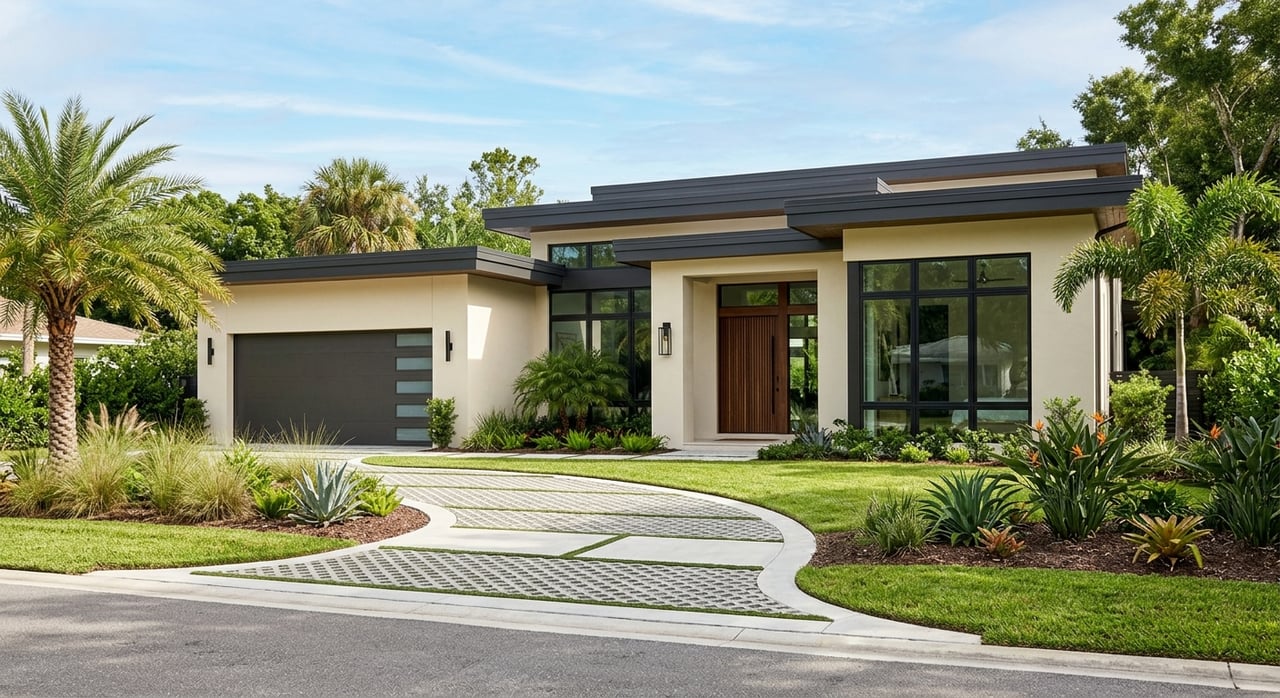
If you are trying to choose an Orlando neighborhood, you are probably not just choosing a home. You are choosing what your mornings feel like, how long errands take, where you unwind after work, and how often you need your car. In Orlando, that daily rhythm matters because the city works more like a network of activity hubs than one single center. This guide will help you match your routine to the right part of Orlando so you can narrow your search with more confidence. Let’s dive in.
Why routine matters in Orlando
Orlando’s layout rewards buyers who think beyond a zip code. The city’s downtown investment area stretches from Tampa Avenue to Mills Avenue and from Marks Street to Gore Street, while the planned Downtown Loop is an 8.5-mile route connecting more than a dozen neighborhoods to shopping, dining, parks, offices, entertainment, and services.
Daily movement across the metro is also shaped by the major expressways. The city points to SR 408, SR 417, SR 429, and SR 528 as the main system that helps people move between home, work, and everyday destinations. That means the best neighborhood for you often depends on where your day begins and where it needs to flow.
A helpful way to think about Orlando is this: you are not choosing between neighborhoods in the abstract. You are choosing between routines like transit and downtown access, local dining and culture, mixed-use errands and recreation, or airport-adjacent convenience.
Start with your anchor
Before you compare home styles or price points, identify the place that anchors your week. That could be your office, a coworking spot, Orlando International Airport, your favorite park loop, or the area where you run most of your errands.
Once you know that anchor, compare neighborhoods by three simple questions:
- How easy is the commute from here?
- Where will you handle most errands?
- What do you want nearby when the workday ends?
That framework fits Orlando especially well because the city is organized around connected districts, major road corridors, transit stops, and neighborhood commercial centers.
Best areas for a car-light routine
Downtown, Thornton Park, City District, and Creative Village
If you want to build your day around walking, transit access, and being close to events, this cluster is one of the strongest places to start. It has the clearest overlap of SunRail access, LYNX connections, office space, entertainment, and downtown destinations.
Thornton Park is described by the city as a colorful, walkable commercial district with more than 60 locally owned shops, services, and dining spots. Lake Eola sits at the center of that experience, which gives the area a built-in outdoor destination for a morning walk or evening reset.
City District functions as the heart of downtown’s central business district. The city highlights its entertainment, theater scene, and nightlife, which makes it a natural fit if your routine includes evenings out or easy access to events.
Creative Village offers a different version of downtown living. It is a 68-acre mixed-use innovation district adjacent to SunRail and LYNX Central Station, and the city describes it as a five-minute walk to downtown’s central business district. If your routine blends work, transit, and a modern urban setting, this area deserves a close look.
Why this cluster works
This part of Orlando is being shaped around pedestrian movement, transit access, and micromobility. If minimizing car dependence is high on your list, few areas in the city line up as clearly with that goal.
SunRail adds another layer of convenience. Its 61-mile system includes 17 stations across Volusia, Seminole, Orange, and Osceola counties, and destination pages show access to places like Downtown Orlando, Church Street District, Lake Eola, Kia Center, Dr. Phillips Center, Orlando Science Center, and Loch Haven Park.
Best areas for local dining and culture
Ivanhoe Village, Mills 50, and Audubon Park
If your ideal day includes coffee from a local spot, dinner close to home, and easy access to cultural venues, this cluster offers a strong neighborhood-scale feel. These areas are tied less to a mall or highway pattern and more to independent businesses and community activity.
Ivanhoe Village sits along the northern edge of downtown and brings together arts, parks, eclectic businesses, outdoor recreation, and dining. It also connects with Loch Haven Cultural Park, home to the Orlando Science Center, Orlando Museum of Art, Orlando Shakespeare Theatre, and Orlando Family Stage.
Mills 50 stands out as one of Orlando’s strongest food-focused districts. The city says it has more Michelin-recognized restaurants than any other neighborhood in Orlando, along with locally owned shops, bars, a brewery, and a meadery.
Audubon Park Garden District adds another local-first option. The city frames it as an indie district between Winter Park, Leu Gardens, and downtown, with shops, cafes, restaurants, weekly events, and a community market.
Why this cluster works
These neighborhoods fit buyers who want everyday life to feel personal and connected. You may still drive at times, but many of your favorite stops can be closer together and tied to a recognizable district identity.
This cluster also works well if recreation and culture matter to you as much as commute time. With nearby parks, recurring community activity, and cultural institutions in the mix, your routine can feel full without always heading back to the same large commercial centers.
Best areas for errands and recreation
College Park, SoDo, Baldwin Park, and the Packing District
If your goal is balance, this group is worth comparing. These areas tend to work well for buyers who want nearby services, parks, lakes, and trails without being in the densest part of downtown.
College Park is described by the city as a place where urban living meets a small-town feel. The district includes local retailers, restaurants, small businesses, parks, lakes, bungalow-style homes, and brick tree-lined streets.
SoDo is a business district within one mile of downtown. The city highlights walkable parks and streets, nearby lakes, Orlando Health, and a mix of large retail chains with boutique shops and restaurants, making it practical for buyers who want convenience built into the week.
Baldwin Park offers a larger mixed-use environment on the former Orlando Naval Training Center site. The city points to lakes, wetlands, extensive park systems, and street design that supports residential, office, and retail uses.
The Packing District is another west-side area to watch. It is centered around Princeton Street and Orange Blossom Trail and includes a planned 66-acre park with tennis, bike and walking trails, public park space, and preserved wetlands.
Why this cluster works
This group makes sense when you want your daily routine to be flexible. You can cover errands more easily, enjoy outdoor space close to home, and often avoid the intensity of the downtown core while still staying connected to it.
For recreation, Orlando offers several strong public-space anchors nearby or within reach. Lake Eola Park has a 0.9-mile loop and swan boats, Loch Haven Cultural Park spans 45 acres, Luminary Green provides 2.3 acres in Creative Village, and the Cady Way Trail connects to Lake Baldwin, Fashion Square Mall, and nearby employment centers.
Best area for airport access
Lake Nona
If airport access shapes your work or travel routine, Lake Nona is one of the clearest fits in the Orlando market. The community describes it as a 17-square-mile live-work-play district that is contiguous or adjacent to Orlando International Airport.
That proximity matters because Orlando International Airport is the busiest airport in Florida and serves nonstop flights to more than 160 destinations worldwide. For frequent travelers or buyers whose schedule revolves around airport access, that can be a major part of the neighborhood decision.
Lake Nona also offers more than just convenience. Its materials emphasize shopping, dining, entertainment, trails, parks, business space, and a strong commercial center, which gives it a different feel from Orlando’s older urban districts.
Why Lake Nona stands apart
Lake Nona often appeals to buyers looking for a more master-planned environment with a live-work-play setup. If you want a routine tied to airport convenience, business space, and town-center style amenities, it belongs on your shortlist.
It also stands out for remote work options. Lake Nona Coworking positions its spaces near Boxi Park, Canvas Restaurant & Market, and Lake Nona Town Center, giving remote workers a practical option beyond the home office.
Think carefully about commute patterns
In Orlando, commute planning is often more about corridor choice than raw mileage. CFX says SR 408 acts as the area’s backbone across downtown and as a faster alternative to heavily traveled SR 50.
Traffic can shift quickly at peak times. CFX reports that more than 164,000 vehicles per day travel SR 408 near downtown, which helps explain why two homes with similar map distances can feel very different in real life.
If transit matters, look closely at areas near SunRail and LYNX connections. Downtown Orlando, Creative Village, and nearby neighborhoods have one of the strongest combinations of regional rail, bus access, and walkable destinations.
If you work remotely, your routine may center less on a traditional commute and more on where you can work comfortably outside the house. Downtown Orlando has coworking options near Church Street Station and Lake Eola, while Creative Village is framed by the city as an innovation district that mixes education, companies, residents, and transit.
A simple shortlist for Orlando buyers
If you are narrowing your search, this quick framework can help:
Choose downtown-focused areas if you want:
- A more car-light routine
- Easy access to events and nightlife
- Stronger transit connections
- Walkable commercial districts
Start with Downtown Orlando, Thornton Park, City District, Creative Village, then compare Ivanhoe Village and SoDo.
Choose neighborhood-scale districts if you want:
- Independent dining and shops
- A more local feel for everyday outings
- Short drives to arts and cultural venues
- Community activity built into the area
Start with Ivanhoe Village, Mills 50, and Audubon Park.
Choose mixed-use areas if you want:
- Easy errands during the week
- Parks, lakes, or trails nearby
- A balanced feel between convenience and breathing room
- Access to downtown without living in the center of it
Start with College Park, SoDo, Baldwin Park, the Packing District, and Lake Nona.
Choose Lake Nona first if you want:
- Fast access to Orlando International Airport
- A live-work-play setup
- A master-planned district feel
- Commercial amenities built into the area
The right neighborhood is the one that fits your real life
The best Orlando neighborhood for you is the one that supports how you actually live from Monday morning to Sunday night. A district can look great online, but if it does not fit your commute, errand pattern, or downtime habits, it may not feel right once you move in.
That is why routine is such a useful starting point. When you match your search to the places you go most, the roads you use most, and the way you like to spend your free time, your shortlist becomes much clearer.
If you want help comparing Orlando neighborhoods based on your commute, lifestyle, and home goals, connect with Orlando A to Z. The team can help you narrow your options and find the part of Orlando that fits your day-to-day life.
FAQs
Which Orlando neighborhoods are best for a car-light lifestyle?
- Downtown Orlando, Thornton Park, City District, and Creative Village are strong options because they have the clearest overlap of SunRail, LYNX, walkable destinations, and downtown activity.
Which Orlando neighborhoods are best for dining and culture?
- Ivanhoe Village, Mills 50, and Audubon Park stand out for independent businesses, restaurants, cultural venues, weekly events, and neighborhood-scale commercial areas.
Which Orlando neighborhoods are good for errands and parks?
- College Park, SoDo, Baldwin Park, the Packing District, and Lake Nona are useful areas to compare if you want nearby services plus access to parks, trails, lakes, or open space.
Which Orlando neighborhood is closest to the airport lifestyle?
- Lake Nona is the clearest airport-adjacent option in this group because it is contiguous or adjacent to Orlando International Airport and is built around a live-work-play model.
How should you choose an Orlando neighborhood for your commute?
- Start with your main anchor, then compare neighborhoods by commute corridor, errand access, and recreation options since Orlando travel patterns are shaped heavily by routes like SR 408, SR 417, SR 429, and SR 528.
