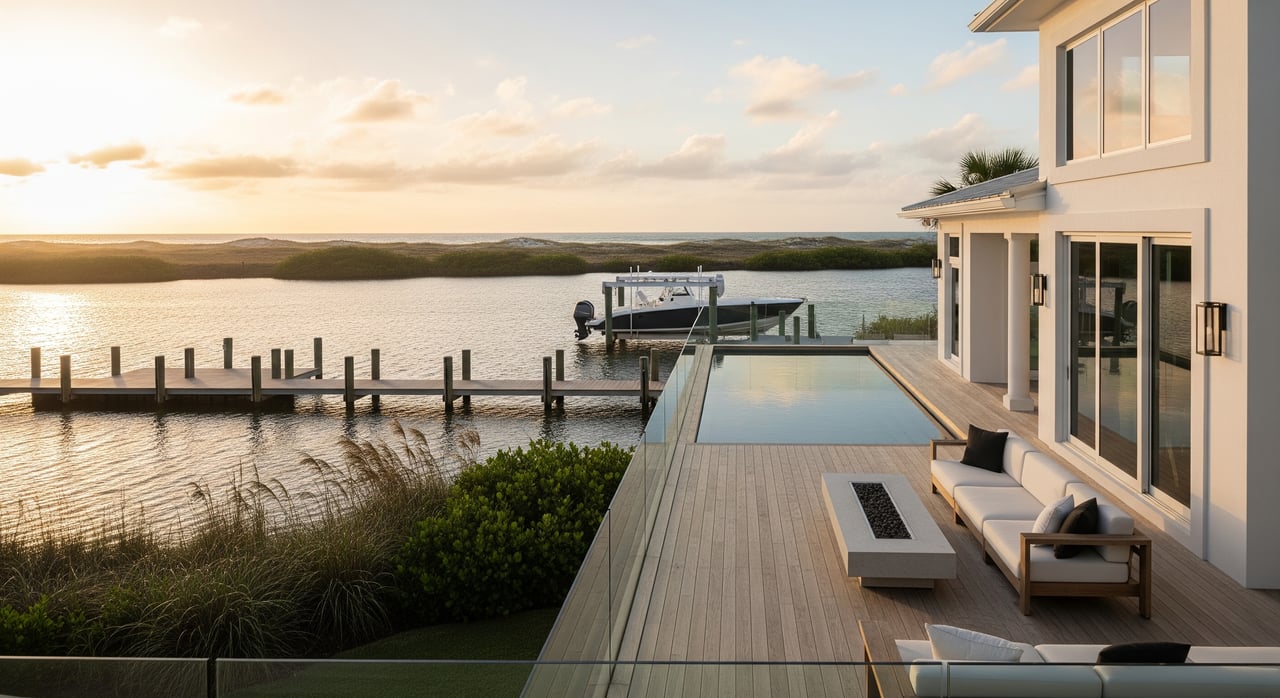
Do you dream of morning surf sessions or quiet sunrise paddles on glassy water? In Brevard County, you can choose either lifestyle. Picking between beachside and riverfront living comes down to how you want to spend your days, what you value in access and privacy, and how you feel about maintenance, insurance, and long-term risk. In this guide, you’ll learn the real trade-offs, plus a practical checklist to shop with confidence. Let’s dive in.
Beachside vs riverfront at a glance
Choosing beachside puts you on the Atlantic-facing barrier island with direct ocean access, a lively coastal culture, and strong vacation-market energy. Choosing riverfront places you on calmer waters along the Indian River Lagoon, often with private docks, boating-friendly canals, and a quieter vibe.
- Beachside highlights: direct ocean access, strong surf and beach culture, seasonal tourist energy, higher exposure to surf and erosion.
- Riverfront highlights: calm-water boating, private dock potential, more privacy in many neighborhoods, ongoing lagoon restoration efforts.
- Access: beachside depends on causeways for mainland commutes; riverfront often offers quicker access to I‑95 corridors.
- Market feel: beachside generally commands a higher premium per square foot than inland and riverfront; riverfront sits between oceanfront and non-waterfront pricing.
Where you might live
Beachside communities
Typical barrier-island towns include Cocoa Beach, Cape Canaveral, Satellite Beach, Indialantic, and Melbourne Beach. These areas are directly ocean-facing with A1A as the coastal spine. Expect more condos, mid-rise buildings, beach cottages, and oceanfront estates focused on views and outdoor living.
Riverfront communities
On the lagoon side, you will find riverfront options in Merritt Island, Titusville, Rockledge, and Cocoa, along with parts of Melbourne and Palm Bay that front the Indian River Lagoon or canals. Homes range from canal-front properties with docks to houses overlooking wide lagoon channels and marshes.
Daily life and amenities
Beachside lifestyle
If you want to surf, swim, or walk the shoreline daily, beachside makes that easy. You will find oceanfront dining, surf shops, and beach outfitters, plus lifeguarded beaches in some towns. Seasonal events and holiday crowds add energy. During sea turtle nesting season, local lighting rules create a darker, calmer nighttime shoreline.
Riverfront lifestyle
If boating, kayaking, and inshore fishing are your focus, riverfront living shines. Many homes have private docks or are near marinas and boat ramps. Shorelines are often quieter, with manatees and wading birds common in marshy areas. You will also find more neighborhood-oriented services and convenient access to inland shopping.
Commute and access
Both settings can work for commuting across Brevard. Barrier-island residents rely on causeways to reach the mainland, which can add time during peak periods or after storm-related closures. Riverfront and mid-county locations often provide faster access to I‑95 and inland job centers.
Home types and market feel
Beachside housing
You will see beachfront condos, renovated coastal homes, and luxury oceanfront estates. Many buildings are elevated and designed to capture views and sea breezes. Ownership types can skew toward condos and short-term rental potential, depending on local rules.
Riverfront housing
Expect single-family homes with docks, ranch and split-level layouts, and canal-front properties with deeper lots. Some condo clusters are near marinas. Not every property has deep-water access, so confirm channel depth and navigability if boating is key.
Seasonality and demand
Beachside demand often peaks with tourism and seasonal traffic. Riverfront markets can be steadier year-round, attracting boaters and buyers seeking quieter waterfront living. In general, oceanfront commands a premium over non-waterfront, and riverfront sits between the two.
Risk, insurance, and climate
Flood and wind
Both beachside and riverfront homes commonly fall in FEMA flood zones. Insurance costs and eligibility depend on flood maps, elevation certificates, and community participation in flood programs. Wind and hurricane coverage can materially impact costs across coastal Brevard. Obtain quotes early in your search.
Storm surge and erosion
Beachside properties face higher exposure to storm surge, direct wave action, and beach erosion during tropical systems. Riverfront homes are typically more sheltered from surf but can still experience surge, flooding, and wind impacts that vary by elevation and proximity to open channels.
Sea level and lagoon health
Sea-level rise and tidal flooding risk are long-term considerations in coastal Brevard. Barrier islands are especially sensitive to shoreline change over time. On the riverfront, the Indian River Lagoon has a history of water-quality challenges that can affect fishing, boating, and aesthetics in specific areas. Restoration efforts are ongoing in the region. Build your decision around current conditions and long-term resilience.
Permits, docks, and utilities
Docks and seawalls
Waterfront modifications typically require multiple approvals. Docks, seawalls, dredging, and replacements may need county or municipal permits, state environmental authorization, and sometimes federal authorization for navigable waters. These processes can add time and cost. Ask for permit history and maintenance records.
Codes and renovations
Coastal construction in Florida must meet strict building codes for wind resistance and elevation in higher-hazard zones. Barrier-island properties are often elevated or built on pilings. Renovations can trigger code compliance, so scope your plans carefully.
Sewer vs septic
Service varies by neighborhood. Some waterfront lots rely on septic systems, which can limit additions and require specific maintenance. Others connect to municipal sewer. Confirm utility status during due diligence.
Resale and who it fits
Beachside buyer profile
Buyers who prioritize surf access, ocean views, and a vibrant coastal scene tend to favor beachside. Vacation and second-home demand can support long-term desirability, where allowed by local rules. Trade-offs include higher maintenance, insurance sensitivity, and exposure to storms and erosion.
Riverfront buyer profile
Avid boaters, anglers, and buyers who want calmer water and more privacy often prefer riverfront. Many lots offer space for docks and yards, and entry into waterfront ownership can be more attainable than direct oceanfront at similar sizes. Consider water depth, canal layout, and local water quality when comparing properties.
Liquidity notes
Well-located beachside condos and updated riverfront homes both attract ready buyers, but cycles and interest rates affect time on market. If you plan to sell later, align your improvements with your likely resale audience, whether vacation-focused or year-round residents.
How to choose your best fit
Start with how you actually want to live day to day. If your perfect morning is a surf check and beach walk, the barrier island fits that routine. If your perfect weekend is launching from your own dock and exploring backwaters, riverfront is compelling. Weigh commute patterns, insurance quotes, flood zones, and renovation plans alongside lifestyle. The best fit balances how you live now with how the property will perform over time.
Buyer checklist
Use this quick list while touring beachside and riverfront homes in Brevard County.
- Ask for a recent elevation certificate and confirm FEMA flood zone.
- Get sample insurance quotes for homeowner, wind, and flood coverage.
- Verify seawall, dock, and bulkhead condition and request permit history.
- Confirm sewer vs septic and ask for any recent inspections or repairs.
- Review local rules that may affect use, such as sea turtle lighting and shoreline modifications.
- For riverfront, ask about navigable channel depth and proximity to marinas or ramps.
- For beachside, review any history of dune erosion, storm damage, or access closures.
- Consider seasonal traffic, parking, and beach access for your lifestyle.
- Think ahead to resale audience and your likely buyer in the future.
Ready to compare specific properties and neighborhoods side by side? Reach out to our team for tailored guidance that fits your lifestyle and budget.
If you want a clear next step, we can map your wish list to active listings and help you assess flood zones, insurance, docks, and permitting before you commit. Connect with Orlando A to Z to get started or to request a Free Home Valuation.
FAQs
What is the core difference between beachside and riverfront living in Brevard County?
- Beachside offers direct Atlantic access and surf culture, while riverfront focuses on calm-water boating and private dock potential along the Indian River Lagoon.
How do insurance considerations differ for oceanfront vs riverfront homes?
- Both can be in FEMA flood zones, but oceanfront often faces higher exposure to surf and wind; always get property-specific wind and flood quotes with an elevation certificate.
What should I know about permitting for docks and seawalls in Brevard County?
- Waterfront work typically needs local permits plus state and sometimes federal authorization, so confirm permit history, timelines, and maintenance records early.
Are Indian River Lagoon water-quality issues a concern for riverfront buyers?
- Conditions vary by area and season; ask about current local water quality, seagrass, and recent restoration updates when evaluating riverfront properties.
How does commuting compare from the barrier island versus the mainland riverfront?
- Beachside residents rely on causeways to reach the mainland, which can add time during peaks; riverfront locations often provide faster access to I‑95 corridors.
Which Brevard County areas are considered beachside vs riverfront?
- Beachside includes Cocoa Beach, Cape Canaveral, Satellite Beach, Indialantic, and Melbourne Beach; riverfront options include Merritt Island, Titusville, Rockledge, Cocoa, and parts of Melbourne and Palm Bay.
